The new technologies which will introduce
smart machine-to-machine (M2M) commu-
nication are the high-speed 4G wireless stan-
dard and Internet Protocol version 6 (IPv6).
Together, these technologies will enable de-
signers to create a world in which smart devices
could offer a new level of M2M services. The
possibilities include: a smart phone which
could receive an alert and location message
when its owners car is stolen; a camera which
could communicate with a GPS device to sug-
gest local beauty spots; a fridge which could
text a reminder to buy more butter; automatic
uploading of data from a personal health mon-
itoring device to a GP; and a machine which
could send an alert when it needs to be repaired.
These, and so many more applications, will all
be enabled by smart M2M communications.
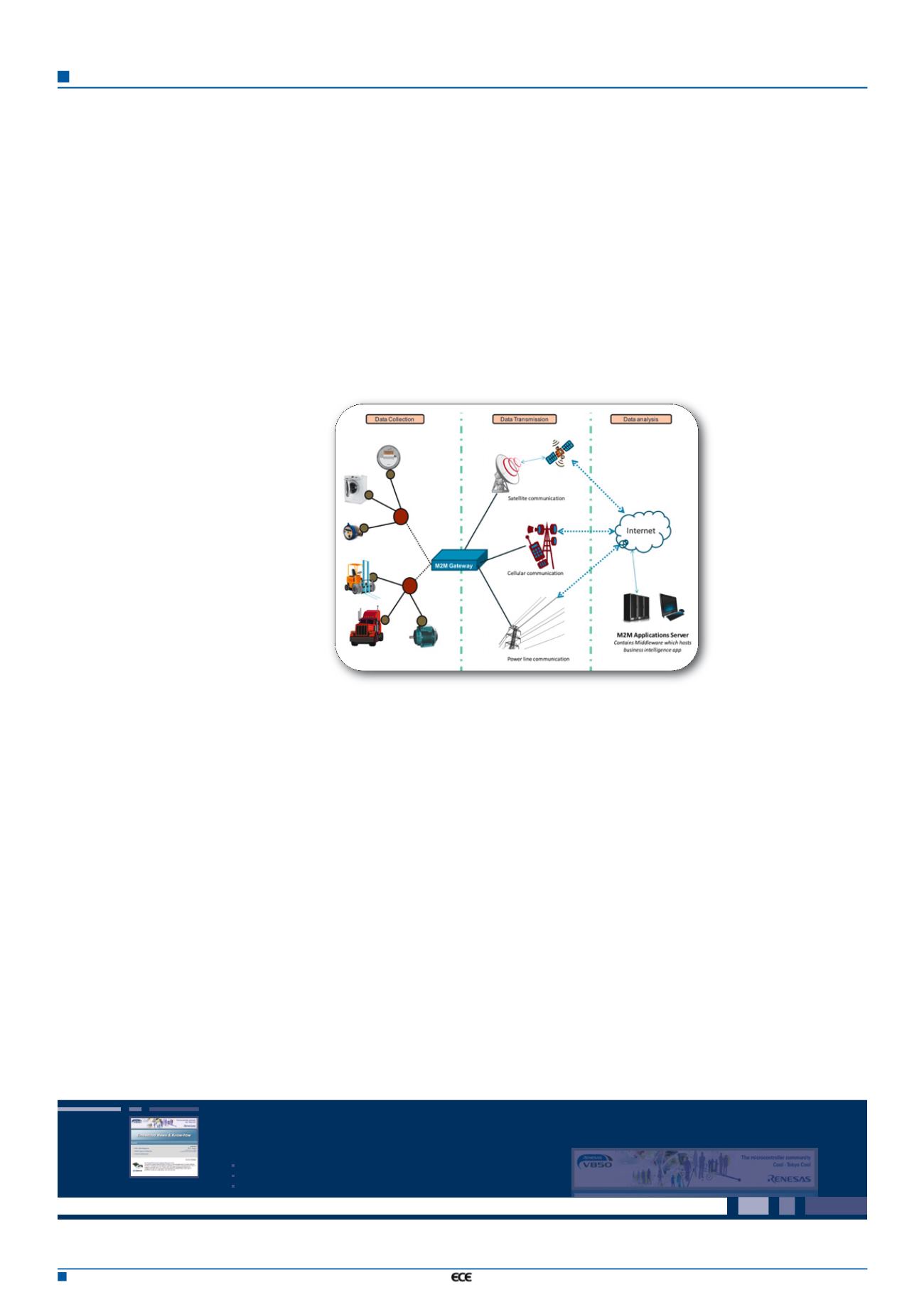
Figure 1 shows the interaction between the
key elements of M2M technology.
These elements allow the system to receive
data from an end-device and transmit that
data, over a communication network, to appli-
cation software which processes and converts
it into recognisable information for the appli-
cation. Typically, M2M networks transmit data
using Global System for Mobile (GSM), General
Packet Radio Service (GPRS),power-line or
satellite communications. Designers of indus-
trial applications have been quick to see the
potential of M2M communication. The com-
bination of powerful sensors, advanced em-
bedded microcontrollers and wireless networks
has enabled new levels of control through ap-
plications such as remote monitoring of in-
dustrial equipment and fleet management.
Considering these two applications in more
detail reveals how M2M communication could
transform the way in which the world works,
in addition to saving cost, improving efficiency
and reducing manual tasks.
A remote monitoring system for industrial
equipment could use the combined inputs
from sensors for detecting vibration, fluid
leaks, temperature, mechanical wear and noise,
to assess the condition of the equipment.
Figure 2a shows the position of each sensor or
node, represented by a yellow dot, and con-
nected in a star topology to the network coor-
dinator, shown by the blue dot. Together, the
nodes and network coordinator form a Personal
Area Network (PAN). The PAN coordinator
acts as a M2M gateway between the PAN and
the GPRS network and transmits the data to
the remote monitoring station. If a sensor de-
tects a parameter which is outside the normal
operating threshold values, the remote moni-
toring station sends an alert which enables
preventative maintenance to be carried out.
By providing advance warning of potential
equipment malfunctions,M2M communication
can be used to reduce the cost of unplanned
downtime and to increase the efficiency of
preventative maintenance schedules.
The block diagrams for a sensor node and a PAN
coordinator are shown in Figures 2(b) and 2(c).
4G + IPv6 = M2M smart-talking
machines
I
NTERNET OF
T
HINGS
By Ramanuja Konreddy,
Microchip
The internet has already
revolutionised the way in
which people communicate
with each other, and now it
is ready to enable another
revolution: the proliferation of
smart communication
between machines.
Figure 1.The key elements
in M2M communication
October 2013
12


